



Have you just had porcelain crowns and feel they’re bulky or awkward? Don’t worry, you’re not alone. Many people experience a sensation of bulkiness or discomfort after undergoing dental restoration with porcelain crowns. This feeling, even if minor, can significantly affect your chewing ability, communication, and even sleep. This article will help you from My Auris better understand the causes, symptoms, solutions, and prevention of this uncomfortable feeling with porcelain crowns, helping you achieve a comfortable, well-fitting, and secure set of teeth.
What is a Bulky/Awkward Feeling with Porcelain Crowns?
A bulky or awkward feeling with porcelain crowns refers to a situation where the dental crown, after being cemented, does not fit snugly with the natural tooth or surrounding teeth, causing an uncomfortable, obstructive sensation in the oral cavity. This feeling can be mild or severe, depending on the degree of misfit and the location of the affected tooth.
Unlike other porcelain crown issues such as damaged crowns, sensitivity, or even abnormal discoloration, the bulky/awkward sensation is a specific symptom related to the misfit of the crown with the tooth. This is distinctly different from issues related to gum inflammation or malocclusion, although these problems can occur simultaneously and exacerbate the feeling of bulkiness.
The bulky sensation is often different from the normal feeling of natural teeth; it can be a distinct obstructive feeling compared to natural teeth, potentially causing prolonged dull discomfort or even clicking sounds during chewing.
Dental Implants Feeling Bulky: Differences and Considerations
Dental implants, also known as implant dentistry, is a method of replacing missing teeth with an implant post surgically placed into the jawbone, followed by a porcelain crown attached on top. The bulky sensation after getting a dental implant differs from that of porcelain crowns in that it can be related to the implant post, the connection between the implant and the crown, or the placement of the implant itself.
Potential causes for the bulky sensation include:
- Implant position: The implant is not precisely positioned or angled, causing the bulky sensation.
- Abutment/Connection: The connection between the implant and the porcelain crown is not snug or well-fitting.
- Porcelain crown: The porcelain crown has an inappropriate size or inaccurate design.
- Body’s reaction: The body may react to the implant or porcelain material.
Similar to the bulky feeling with porcelain crowns, but it may be accompanied by more severe pain, significantly affecting chewing function and occlusion. Malocclusion can cause headaches and temporomandibular joint pain.
Correction requires intervention from a specialized dentist. The dentist will examine the implant’s position and angle, assess the connection between the implant and the crown, and adjust or replace the crown. In severe cases, the implant may need to be removed and re-inserted.
Underlying Causes of Porcelain Crowns Feeling Bulky/Awkward
Errors During the Procedure
Many cases of porcelain crowns feeling bulky stem from errors during the procedure. These are common mistakes that can arise from the dentist’s technique or insufficient preparation:
Inaccurate tooth preparation: Errors in tooth preparation (grinding/shaping) are a primary cause. Grinding too much can weaken the tooth, leading to sensitivity and discomfort during chewing. Conversely, if too little is ground, the porcelain crown will not fit snugly, creating a bulky and obstructive sensation.
Inaccurate impression taking: Taking tooth impressions is a crucial step that determines the snugness of the porcelain crown. If the impression is inaccurate, the crown will not fit properly with the natural tooth, leading to bulkiness and discomfort.
Careless crown placement technique: Placing porcelain crowns requires meticulousness and high precision. If the placement technique is incorrect, the crown will not fit snugly with the tooth, causing a bulky sensation and affecting the bite. Carelessness in this stage can lead to many other problems, even complications like gum inflammation or malocclusion.
Problems with the Porcelain Crown Itself
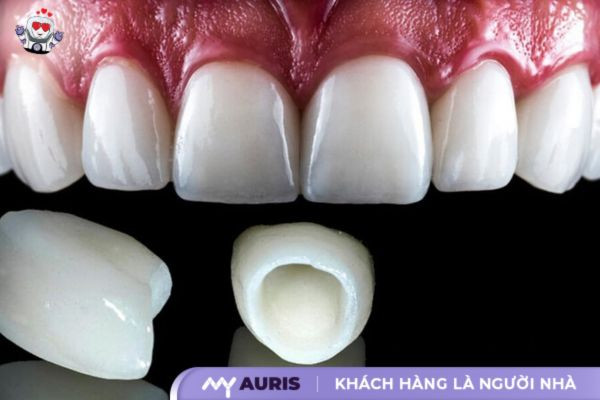
The quality of the porcelain crown and the fabrication process also play a significant role in determining the success of the porcelain crown procedure. Some common issues related to the porcelain crown include:
Incorrect crown design in size or proportion: A porcelain crown that doesn’t fit the natural tooth, whether too large or too small, will cause bulkiness. This error often results from designing the crown without accurate impressions.
Warped or misaligned crown due to fabrication process: During the fabrication process, the porcelain crown can become warped or misaligned, leading to an imprecise fit with the tooth and causing a bulky sensation. This can be due to technical errors by the LABO manufacturing the crown or due to substandard porcelain material.
Incompatible or irritating porcelain material: Some porcelain materials can irritate the gums, creating an uncomfortable bulky sensation. This depends on each individual’s body chemistry.
Other Objective and Subjective Factors
In addition to errors during the procedure and problems with the porcelain crown itself, several other factors can contribute to a bulky feeling with porcelain crowns:
Failure to thoroughly treat existing dental conditions before crowning: If cavities or gum inflammation are not treated before crowning, the procedure will be ineffective and likely cause a bulky sensation. Thorough oral hygiene before crowning also helps minimize this issue.
Accumulation of calculus and plaque causing obstruction: Accumulated calculus (tartar) and plaque around the teeth can prevent the crown from fitting snugly, causing a bulky sensation. Good oral hygiene and regular professional cleaning of calculus and plaque are crucial.
Body’s reaction to porcelain material: Some individuals may be allergic to the porcelain material, causing gum irritation and a bulky sensation. This requires prompt diagnosis and treatment by a specialist dentist.
Improper chewing habits after crowning: Biting on excessively hard foods or having a habit of teeth grinding can cause the porcelain crown to shift, leading to bulkiness. Changing chewing habits and avoiding teeth grinding are effective measures.
Warning Signs of Failed Porcelain Crowns
Persistent bulky, obstructive, and uncomfortable sensation: After getting porcelain crowns, a mild dull ache is normal for the first few days. However, if the bulky, obstructive sensation persists for many days, or even weeks, accompanied by discomfort, it is a sign that the porcelain crown may not fit snugly with the gums and natural tooth.
Difficulty chewing, especially hard foods: Good porcelain crowns should allow you to chew comfortably like natural teeth. If you experience difficulty chewing, especially hard or tough foods, or if the crowns feel bulky and cause clicking sounds during chewing, this is a warning sign that the crowns may be failing or incorrectly placed.
Pain or sensitivity in the crowned tooth area: Pain or sensitivity is a sign that there is a problem with the porcelain crown or the gums. The cause could be an ill-fitting crown irritating the gums, or inaccurate initial tooth preparation. This is a symptom that needs to be checked and adjusted by a dentist promptly.
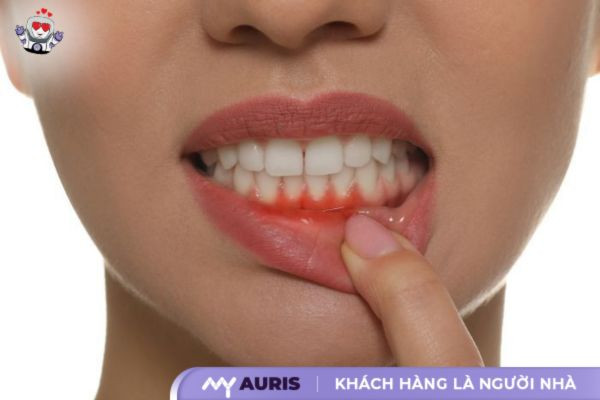
Swollen gums, gingivitis around the porcelain crown: Gum inflammation (gingivitis) is a fairly common complication when porcelain crowns are not performed with correct technique. Swollen, red, painful, or even bleeding gums are signs that the crown does not fit properly or that there are oral hygiene issues.
Changes in bite, feeling of misalignment when closing the mouth: A correct bite (occlusion) is a decisive factor for chewing function and facial aesthetics. If, after getting porcelain crowns, you notice changes in your bite, a feeling of misalignment when closing your mouth, or difficulty speaking, it indicates that the crown may not be correctly positioned or there is a malocclusion.
Unusual bad breath: Bad breath can have many causes, but if it appears after getting porcelain crowns and persists, accompanied by other symptoms like swollen gums or gingivitis, it is highly likely due to an ill-fitting crown, creating conditions for bacteria to thrive.
Consequences of Bulky/Awkward Porcelain Crowns: How They Affect Health and Life?
You will experience difficulty eating hard, tough foods, leading to dietary changes and potential nutrient deficiencies. Irregular chewing or improper chewing force can damage the gums, leading to gingivitis, or even periodontitis.
In severe cases, bulky or awkward porcelain crowns, and even bulky dental implants, can lead to more serious complications. An ill-fitting tooth easily accumulates plaque and food debris, creating favorable conditions for bacteria to grow, causing tooth decay, gum inflammation, and other oral diseases.
Bulky or awkward porcelain crowns not only affect health but also impact aesthetics. This is particularly important in social and professional relationships, affecting self-confidence and interaction ability. Bulky crowns can also alter facial contours, causing an imbalance in harmony. In some cases, damaged, broken, or abnormally discolored crowns will significantly reduce aesthetics, severely impacting appearance.
Effective Solutions for Bulky/Awkward Porcelain Crowns
If you experience a mild, uncomfortable bulky sensation after getting porcelain crowns, try the following measures:
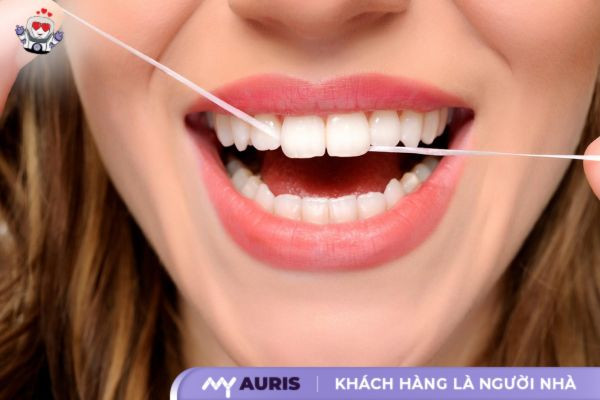
Thorough oral hygiene: Use a soft-bristled toothbrush to remove plaque and food debris trapped between the teeth and gums. This is a crucial step to reduce gum inflammation, a potential cause of the bulky sensation. Using dental floss helps clean between teeth, making the crown fit more snugly and feel more comfortable.
Adjust your diet: Avoid eating hard, tough, or difficult-to-chew foods initially. Switch to soft, easy-to-swallow foods to reduce pressure on the porcelain crowns. Eating slowly and chewing thoroughly also helps minimize friction and prevent damage to the teeth and gums. Choose foods that are good for oral health, and avoid sugary and highly acidic foods.
Use dental wax: Dental wax can temporarily relieve the bulky sensation. Applying wax to the affected area of the crown creates a cushion, reducing friction between the crown and the gums. Note that this is only a temporary solution and does not address the root cause of the problem.
Apply pain-relieving cream: If you experience pain or sensitivity, apply a small amount of specialized pain-relieving cream to the bulky area of the tooth. However, avoid overusing pain-relieving creams.
The above measures are only temporary pain relief supports. If the bulky sensation persists or worsens, you need to see a dentist for timely examination and treatment. Self-treatment can lead to undesirable complications.