


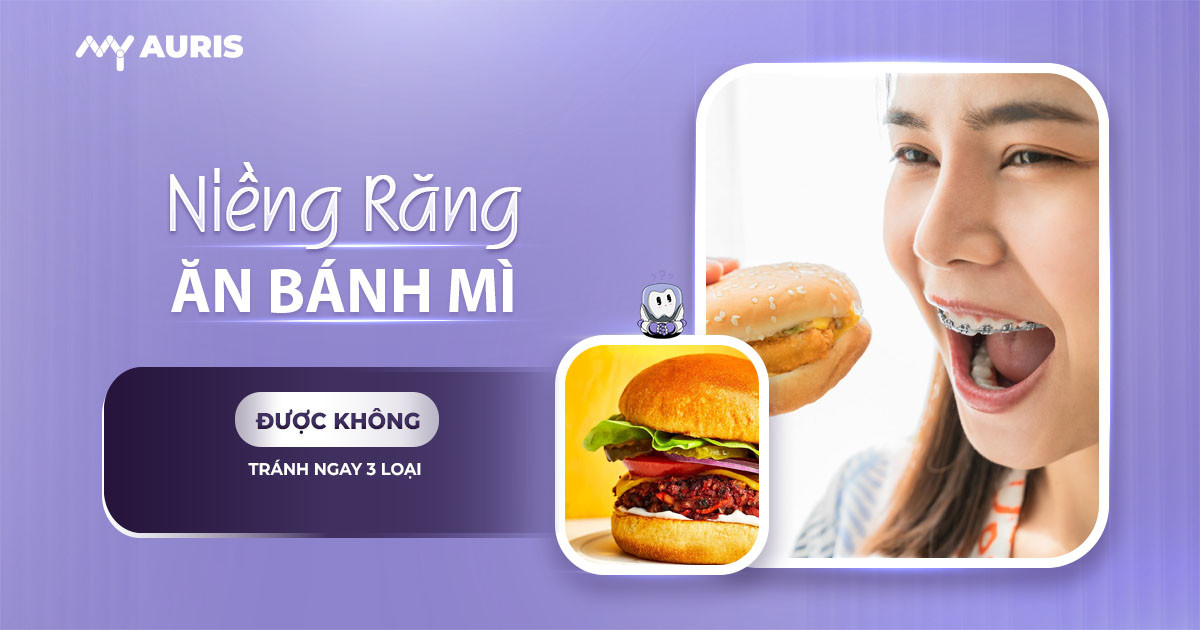
Is braces the end of your favorite bread? This is a question that many people worry about when starting their orthodontic journey. The initial soreness and the fear of dislodging brackets make you hesitant before every meal.
Should you eat soft bread with braces?
The answer is YES, you can absolutely continue to enjoy bread. Eating doesn’t have to be overly restrictive. However, the key lies in choosing the right type of bread and eating it correctly to ensure the safety of your orthodontic appliances. The wrong choice can lead to unwanted complications with your braces.

Safe types of bread for people with braces
Below is a list of possible and safe types of bread, recommended by many orthodontists to their patients, helping you maintain a delicious meal while protecting your oral health.
Sandwich bread
This is the top and safest choice. Sandwich bread has a very soft texture, without a hard, crunchy crust.
Characteristics: Soft, spongy, easy to tear into small pieces. When chewed, it does not create sudden pressure on metal or ceramic braces.
Steamed bun skin (no filling)
The skin of a steamed bun is an excellent food for people with braces, especially during the initial stages when teeth are still sensitive.
Characteristics: Extremely soft, moist, and almost melts in the mouth. Steamed bun skin does not require much chewing force, making teeth and gums feel comfortable.
Soft sweet bread
Sweet bread types are usually made with a lot of butter, milk, and eggs, giving them a very soft texture.
Characteristics: Soft, moist texture with low chewiness. Brioche or milk bread often has a light sweetness, making it a good choice for a snack.
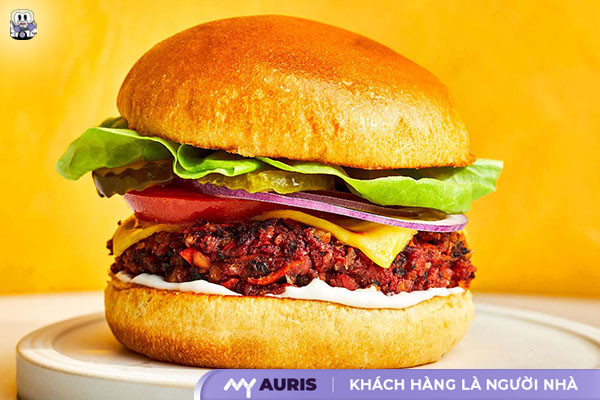
Hamburger or hotdog buns
The buns used for hamburgers or hotdogs are also a feasible option as they are designed to be soft and absorb sauces.
Characteristics: Soft, light, and airy. Their hardness is very low, minimizing the risk of damage to the brace system.

Types of bread to ABSOLUTELY avoid
To protect your orthodontic progress, you need to identify and avoid types of bread that can cause harm. The general rule is: do not eat bread with a very crispy crust OR bread that is too chewy.
Baguette (French bread): The crust is very hard and crispy. Biting directly can create a strong impact force, enough to dislodge a bracket. Hard crumbs can also injure the gums.
Bread with thick, crispy crust (Sourdough, Ciabatta): Their chewy texture and hard crust require significant chewing force, causing unnecessary pressure on teeth and archwires.
Bagels: This type of bread is known for its dense and very chewy texture, making it one of the worst foods for people with braces.
Crispy toast: Toasting bread increases its hardness and crispiness, turning a safe soft slice of bread into a potential hazard.
How to eat bread correctly with braces to protect your brackets
Prioritize soft, less chewy bread: Choosing the right type of bread is the first and most important step. Look for sandwich bread, brioche, or the soft white interior of regular bread. Stay away from hard and chewy varieties like baguettes with overly crispy crusts, hard bagels, or still-hard whole grain breads. You should not eat bread with a very crispy crust OR bread that is too chewy as they require significant biting and tearing force, which is the leading cause of dislodged metal and ceramic brackets.
Cut or tear bread into small, bite-sized pieces: This is a mandatory rule. Absolutely do not use your front teeth to bite and tear into a large loaf of bread. This action creates a very strong leverage force, which can immediately detach brackets from the tooth surface.
Soften bread if necessary: For types of bread with a slightly dry or dense texture, you can add a softening step. Dip small pieces of bread into milk, soup, or broth. This not only makes the bread softer and easier to chew but also adds flavor to the meal. This method is especially useful in the initial stages after getting braces, when teeth and gums are still sensitive.
Chew slowly, gently, and use your back teeth: To protect your braces, you need to cut bread into small pieces AND chew slowly. Place each prepared small piece of bread into your mouth, directly onto the chewing surface of your molars. Chew slowly and with control.
Drink water during and after meals: Water is an excellent aid. Sipping small amounts of water while eating can help rinse away bread crumbs, preventing them from sticking to your brackets and archwires. This makes the subsequent oral hygiene process much easier.
Clean thoroughly immediately after eating: Bread, especially the soft interior, is very prone to crumbling and getting stuck. If you have braces, you should limit eating hard bread, but even soft bread requires careful cleaning. Plaque from starches is an ideal environment for bacteria to grow, leading to the risk of tooth decay and gum inflammation.
Frequently Asked Questions
Can you eat sandwiches (bread with meat filling) with braces?
The answer is yes, you can absolutely eat sandwiches with meat filling while wearing braces. However, you need to change your eating method to ensure absolute safety for your bracket system. Biting directly into a sandwich creates a very strong force, especially with the crispy crust. This action carries a high risk of dislodging brackets, slipping archwires, or causing damage to sensitive teeth and gums.
Meal plan for people with braces including bread
Creating a diverse meal plan that includes bread is entirely feasible. The core factor is to focus on soft bread types and combine them with other easy-to-chew foods. A proper diet not only protects your orthodontic appliances but also provides sufficient nutrition, supporting a healthy digestive system. Below are detailed meal suggestions for each meal of the day, helping you find more safe and delicious options.
Breakfast menu
Soft sandwich bread with scrambled eggs: Scrambled eggs are very soft and easy to eat. You can add a slice of soft cheese for enhanced flavor and nutrition. Remember to cut off the hard crusts of the sandwich bread before eating.
Torn bread dipped in condensed milk or fresh milk: This is a classic, simple, and safe option. Bread soaked in milk becomes very soft and requires no chewing force.
Bread served with soup or porridge: Tear the bread into small pieces and add it to a bowl of hot soup (chicken soup, pumpkin soup) or porridge. The bread will soften, creating a pleasant and nutritious meal.
Lunch and Dinner menu
Soft bread with chicken curry: Chicken in curry is usually stewed very tender. You can easily use a fork to shred the chicken. Using soft bread to dip in curry sauce is a wonderful combination.
Bread with beef bourguignon: Similar to curry, the beef in bourguignon is stewed until very tender, melting in your mouth. This is a nutritious and very safe dish for people with braces.
Tuna salad sandwich: Canned tuna, mashed and mixed with mayonnaise, creates a smooth, soft mixture. You can put this mixture in soft sandwich bread.
Snack menu
Sponge cake or seedless sweet bread: These types of bread have a very soft and airy texture, making them safe for a light snack.
Bread spread with butter or jam: Choose soft bread types and spread a layer of butter, fruit jam, or smooth peanut butter.
How long after getting braces can you eat hard bread?
Initial phase (1 to 3 months after bracket placement): During this period, teeth and gums are most sensitive and sore due to the beginning of tooth movement. You should absolutely avoid all hard, crispy, or chewy foods. Eating hard bread carries a very high risk of dislodging brackets. The diet should prioritize soft, liquid foods such as porridge, soup, and yogurt. If you eat bread, make sure it is soft and has been broken into small pieces.
Stabilization phase (After 6 months to 1 year): At this point, your teeth have gradually become more stable in their new positions, and you have become accustomed to the presence of braces. Eating bread with a slightly crispy crust might be more feasible. However, safety principles must still be paramount. You should still not use your front teeth to bite directly. Instead, break the bread into small pieces and chew carefully with your back teeth.
Final phase (Last few months before braces removal): Although you are nearing the end of your journey, this is still a crucial stage. The orthodontist may be making final adjustments, and the forces on your teeth are still significant. Caution is still very necessary. A bracket dislodgement at this stage can affect the final result and prolong treatment time.