


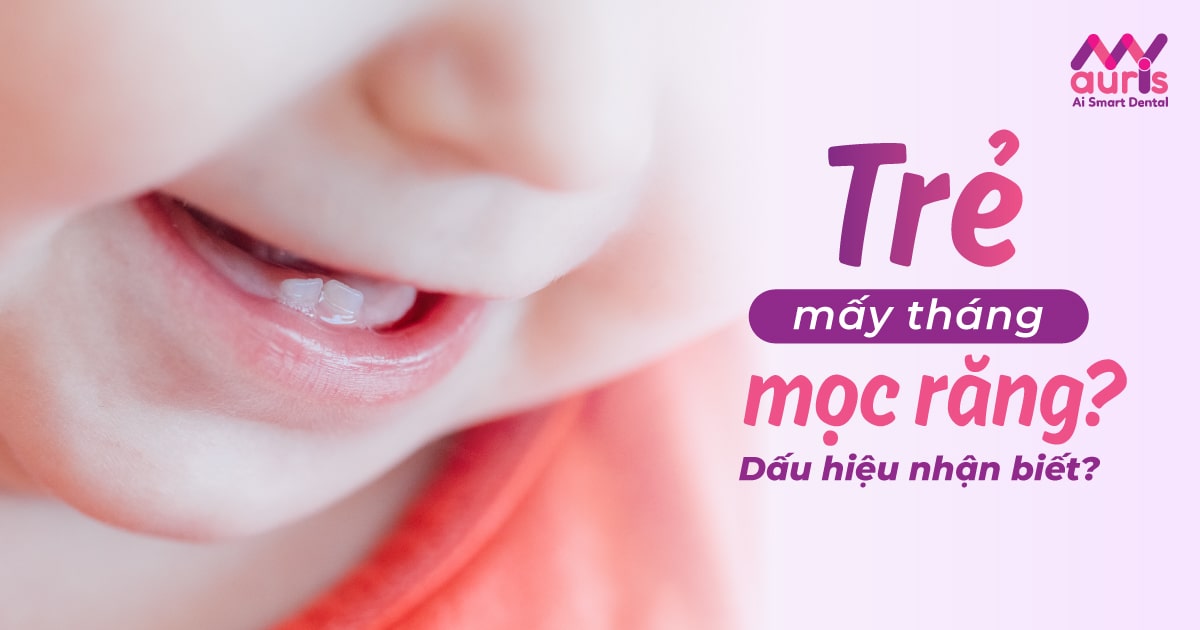
The teething process is one of the very important milestones in a child’s development. When the first teeth appear, it also means that the baby is gradually preparing for the process of eating food instead of breastfeeding or formula feeding. Nowadays, there are still many parents who are raising children for the first time, so they are still confused about how many months do babies get teeth? The following article will provide the most necessary information for parents to refer to.
Find out how many months it takes for children to get teeth?
How many months do children get teeth? According to pediatricians, most children will experience teething twice when they are born. The first time is when the baby grows baby teeth and the second time is when the baby begins to replace baby teeth to grow permanent teeth. The process of teething in children is considered an early turning point in life.

Parents often wonder what stage their child is at? If a child shows signs of teething early, will it affect normal development? To properly solve the problem of teething in children, parents need to know some of the following necessary information:
- The teething process for each child will need to start with the first baby teeth growing at 6 months of age.
- By the time your baby is 2 or 2 and a half years old, he will have about 20 baby teeth
- There are some cases of babies teething early when they are only 4 months old and some babies teething late up to 9 months.
What is the correct stage for children to grow teeth? Does early teething have any effect?
The fact that some babies show signs of teething early from about 4 months or some babies grow teeth late (9 months before they start to grow) can sprout their first teeth, many parents worry about whether this will affect their baby’s health and development. no?

According to doctors, the baby’s teething process will depend a lot on the nutrition the baby absorbs every day, through calcium content, vitamins and especially genetic factors.
If children show signs of teething early or late, parents do not need to worry too much. In case the baby takes a long time to grow teeth, you can take the baby to see a doctor directly to check for nutritional deficiencies, helping parents fully supplement their baby during the development process.
Signs to identify how many months a baby is teething teeth
The process of baby teething is a quite important process in development. However, during this period, parents will face more difficulties when taking care of their children because health-related problems may occur at this time. Parents need to understand the following signs to know exactly how many months their baby is teething and handle them better.

The baby is drooling
Babies often show signs of drooling, but during the teething preparation period, the saliva in the oral cavity will flow more. At this point, discomfort will be inevitable.
Parents need to use towels to absorb drool on the chin to avoid soiling clothes. Besides, it is necessary to limit children’s thumb sucking, because it can create favorable conditions for bacteria to penetrate, causing gum infection at the position where the teeth are growing.
Pain and swelling of the gums
A few months of teething is recognized when the gums show signs of swelling, redness and pain. At this time, it is inevitable that the child will start crying or put his hand in his mouth. The first baby tooth to grow is also the time when children feel the most pain. Parents need to avoid letting their children suck on their fingers or suck on hard objects.
Use topical or oral medication to help your child relieve pain, use a warm towel or apply ice to naturally relieve pain.
The baby begins to like biting
The uncomfortable feeling when the teeth are showing signs of emerging from the gums can make the baby restless. This is the reason why babies like to bite things around them to reduce sensationsc uncomfortable. Parents can let the baby bite the soft nipple to limit the impact on the gums and teeth.
The baby starts sucking less and stops eating
When there are signs of teething in a few months old, pain around the gums will often appear, making the child more irritable and fussy. Besides, children also tend to be afraid of breastfeeding and stop breastfeeding.
This sign is also combined with a changing immune system during the period of 6 months of age, making the baby susceptible to fever and diarrhea. At this time, you need to pay attention to supplementing all the necessary nutrients and giving your baby solid foods to ensure good health.
The baby has insomnia
The Toothache appears frequently, making the baby feel uncomfortable, directly affecting sleep, especially at night. Babies tend to be startled and fussy, parents need to comfort them to make them feel secure and fall asleep more easily.
What do parents need to do when their children are teething?
In addition to paying attention to how many months your child is teething, you also need to pay attention to the notes during the care process when your child is teething. This is a very important stage for your baby’s development, but it can make your baby feel uncomfortable.

Parents’ attention is the best thing that can help their children easily get through the teething period. A few notes you need to know:
- Regularly use a soft towel to wipe away drool to help children reduce discomfort as well as prevent rashes around the mouth, neck or chest area.
- It is necessary to clean your baby’s gums after you breastfeed or drink formula. Use gauze pads or soft towels soaked in water and wrap around your fingers to gently clean your child. This action can apply a small amount of pressure to the gums, helping to relieve discomfort.
- You can let your baby chew on a teething ring made of rubber or soft plastic.
- Normally, babies will have a fever after a few months of teething, but it usually does not exceed 38 degrees and only lasts for 2 to 3 days, so you do not need to give your baby fever-reducing medicine.Instead, you need to breastfeed your baby more. Because at this time the child is only 6 months old, the digestive system is still weak so it cannot accept solid foods.
Hopefully this information My Auris dentistry can answer for you the question of how many months it takes for a baby to grow teeth. If your child shows signs of any dangerous symptoms, you need to immediately take the child to the nearest medical facility for treatment by a doctor to avoid negative effects on the child’s health in the future.
Yen Nhi