



Many parents often only pay attention to whether their children practice proper oral hygiene or suffer from cavities. However, braces for 8-year-olds are a topic that receives less attention, as it’s often thought that this age is too young. So, is this view accurate? Does early orthodontic intervention in children bring significant benefits? The article below will provide a professional perspective from a dentist, helping parents better understand the ideal time for children to get braces, as well as the role of early intervention in craniofacial development.
Should an 8-Year-Old Get Braces?
Whether an 8-year-old should get braces is a common concern for many parents interested in their child’s oral health. Some parents worry that 8 is too young for braces, fearing it might affect the child’s eating habits or cause discomfort in daily activities. However, according to experts, 8 is the age when children start losing primary teeth and have their first permanent teeth, so braces can be considered if recommended by a specialist dentist.
At this age, the child’s bones are still soft, and their permanent teeth are not yet hard, fixed, or firm like an adult’s, making orthodontic treatment very easy. This helps to reduce discomfort and soreness, and often avoids the need for tooth extractions, which are common in adults. As a result, the treatment time is usually shorter, teeth are aligned more evenly, and the results are more effective compared to adult patients.
When dental misalignments are corrected early, the child’s development improves, as chewing function is enhanced, helping them eat better, chew food more thoroughly, and digest food more effectively. This is a crucial factor influencing the overall health and physical development of young children.
If recommended by a dentist, parents should absolutely consider braces for their child at this age. Early intervention not only helps children achieve a beautiful, aligned smile but also brings long-term benefits for their oral and overall health.
In Which Cases Should an 8-Year-Old Get Braces?
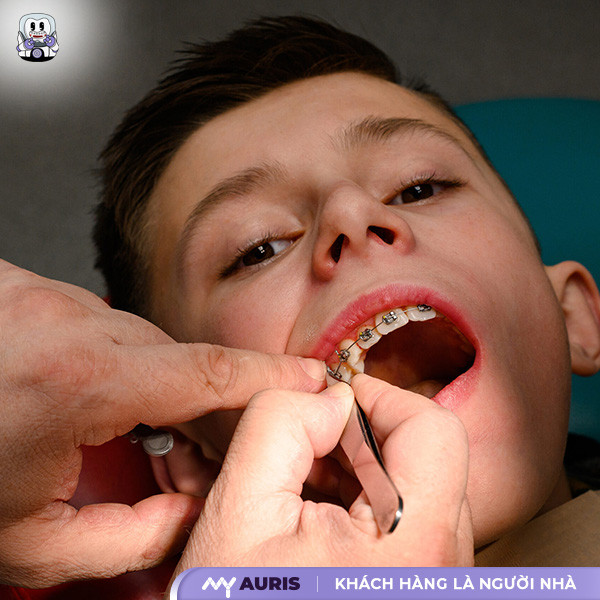
Parents should decide on early orthodontic treatment for their child when they notice signs of malocclusion or abnormal eruption. At the age of 8, children are in the mixed dentition stage, which is a golden opportunity for orthodontic intervention to help teeth develop evenly and correctly.
Some cases where an 8-year-old should get braces include:
- Posterior crossbite or anterior crossbite (also known as posterior underbite and anterior underbite), affecting chewing function and facial aesthetics.
- Narrow dental arch, leading to insufficient space for teeth to erupt straight, resulting in crowding or misalignment.
- Gapped teeth, especially severely protruding front teeth, causing an imbalanced smile and potentially speech difficulties.
- Crooked teeth, impacted teeth, or severe crowding within the dental arch, hindering the normal development of adjacent teeth.
- Permanent teeth erupting misaligned or in the wrong direction, which if not corrected in time, can have long-term effects on the jaw and facial structure.
Which Braces Methods Are Effective for 8-Year-Olds?
At age 8, children are in a stage where their jawbones and teeth are not yet fully developed. This is a golden time for orthodontic intervention because teeth and jawbones are still easily adjustable, making tooth alignment more straightforward and guiding tooth eruption into the correct positions.
With the expertise of experienced orthodontists, suitable methods commonly applied for children at this age include:
Removable appliances: Easy to use, convenient for daily activities, supporting early intervention for bite misalignments.
Invisalign First aligners: This is a customized solution for each child, helping to guide and adjust teeth into the correct position while ensuring aesthetics and comfort during treatment.
Facemask: Applied to children with underbites, it stimulates upper jaw growth, supporting bone development in cases of underdeveloped jawbones.
Trainer appliances: Designed for children with crooked teeth, deep bite, open bite, midline deviation, or upper jaw protrusion, effectively treating tooth and jaw misalignments.
Headgear: An appliance for correcting protruding jawbones, it helps control the development of the upper jaw and stimulates lower jaw development, creating balance in the craniofacial structure and helping teeth erupt evenly.
Important Notes for Parents When Their 8-Year-Old Gets Braces
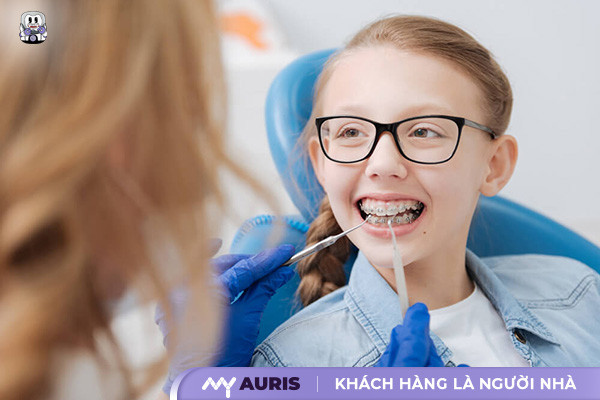
Braces for an 8-year-old are not simply a dental procedure – this is the first difficult milestone for an 8-year-old, requiring parents to accompany, monitor, and support them from a psychological perspective to daily activities. Below are important considerations when an 8-year-old gets braces to help the child feel more confident and achieve optimal treatment results.
Preparing the Child Mentally Before Getting Braces
Most children dislike getting braces, especially when they have to wear complex orthodontic appliances. Many children also fear doctors, hospitals, and clinics, making cooperation difficult. Parents are the crucial link, needing to help their child get used to the doctor and build the best cooperative attitude.
Explain the necessity of braces: why braces are needed, the benefits they bring, and the results after treatment. If the child wears traditional braces, they might feel self-conscious or worry about being teased by friends. Therefore, preparing your child mentally is essential. If the child is not ready, parents should postpone treatment until the child understands the necessity of braces – but also be careful not to miss the best time for effective treatment.
Children’s Speech Issues
During the process of wearing orthodontic appliances, a child’s speech may be affected, especially when they are learning to read and develop language. Therefore, parents need to discuss with the dentist to choose an appliance that has minimal impact on speech, or if it does, only for a short period, helping the child adapt quickly.
Do not underestimate this – if the child does not cooperate, treatment will end prematurely without results.
Helping Your Child Adapt to the Diet with Braces
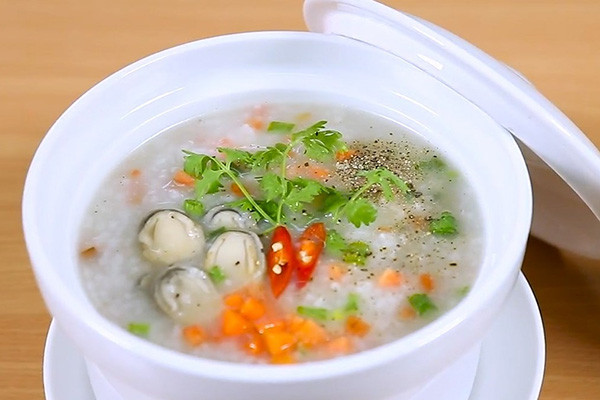
A crucial factor in caring for an 8-year-old with braces is their diet. Parents should plan the menu in advance, choosing a soft diet for their child such as porridge, vermicelli, noodles, smoothies, mashed potatoes, etc. You can practice a soft diet a few weeks before braces are placed to check for suitability.
This diet will support physical and mental development while ensuring gentle functioning of the teeth and digestive system. Experts recommend eating soft foods and limiting excessively hard, crunchy, or sticky foods like hard candies, hard bread, popcorn, fried chicken wings, sticky rice cakes, sugary chewing gum, etc.
The Best Oral Care Routine While Your Child Has Braces
Oral care will be more challenging when your child has braces. Therefore, parents need to provide proper support to help their child feel more comfortable.
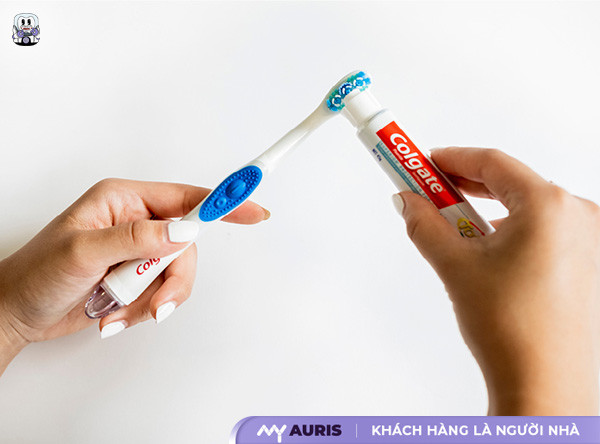
Remind your child to brush their teeth 2-3 times a day, after each meal, to remove food debris and plaque. Equip them with specialized toothbrushes for braces wearers, such as interdental brushes and electric toothbrushes. Guide your child to use dental floss, a water flosser, and mouthwash to complete their oral care routine effectively, reducing the risk of cavities and gum inflammation during the bracing period.